
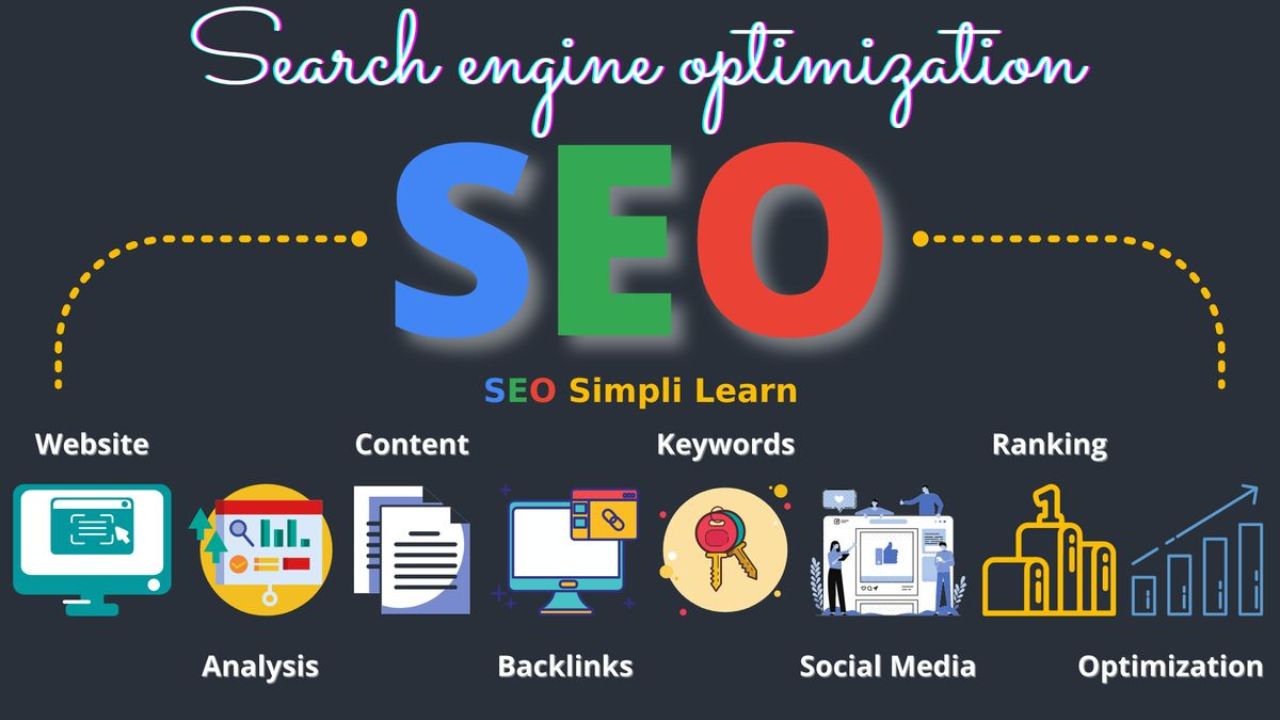
Search engine positioning SEO is not about chasing quick rankings or short-term visibility spikes. It is about building a stable, trustworthy presence in search results that holds its position even when algorithms change. This page explains what search engine positioning SEO really means, how it works, and why it has become essential for businesses that want consistent organic visibility rather than temporary wins.
Many websites rank briefly and disappear just as fast. Search engine positioning SEO focuses on preventing that cycle by aligning content, structure, and authority with how modern search engines evaluate relevance and trust. By the end of this guide, you will understand how positioning differs from basic SEO, what signals matter most, and how to evaluate whether your visibility is truly sustainable.
What Is Search Engine Positioning SEO and How It Works
Search engine positioning SEO refers to the strategic process of improving where and how a website appears across search results, not just whether it ranks for a keyword. While traditional SEO often concentrates on individual keyword rankings, search engine SEO looks at the broader picture: visibility across related queries, stability over time, and alignment with user intent.
Unlike basic SEO tasks such as adding keywords or fixing technical errors in isolation, search engine positioning SEO considers how content, internal structure, and authority signals work together over time. Platforms like Google Search do not assess pages once and forget them; they continuously reassess relevance based on behaviour, engagement, and consistency. Positioning improves when a site repeatedly proves it belongs in a specific topic space.
Why Search Engine Positioning SEO Matters for Long-Term Visibility

Search engine positioning SEO matters because search visibility today is unstable for sites built only for short-term rankings. Many pages rank briefly, attract traffic, and then decline after algorithm updates or competitive changes. Positioning focuses on preventing that drop.
When a site has strong positioning, it sends clear signals about its visibility. Search engines see that users consistently click their results, stay engaged, and do not immediately return to search results. Over time, these signals reinforce trust and help maintain ranking positions across related queries. This is why some sites remain visible through updates while others disappear.
Search engine positioning SEO also improves click-through rate naturally. Pages that are well-positioned tend to better match search intent, making their titles and descriptions feel more relevant. Even on platforms like Bing, where competition dynamics differ, strong positioning improves stability. The cause-and-effect relationship is simple: better positioning leads to stronger visibility signals, which in turn lead to longer-lasting organic results.
Search Engine Positioning SEO vs Traditional SEO
Search Engine Positioning SEO focuses on long-term visibility and stability across search results, not just temporary keyword rankings. Traditional SEO, on the other hand, is usually centred on individual pages and short-term ranking improvements.
| Aspect | Search Engine Positioning SEO | Traditional SEO |
|---|---|---|
| Core focus | Overall visibility and positioning across related queries | Ranking individual pages for specific keywords |
| Time horizon | Long-term, sustainable performance | Often short-term or campaign-based |
| Strategy depth | Topic authority, intent alignment, consistency | On-page optimization and keyword targeting |
| Algorithm impact | Designed to remain stable during updates | More vulnerable to updates and volatility |
| Content approach | Comprehensive, intent-driven, people-first | Page-level optimization focused |
| Measurement | Visibility trends, stability, engagement | Keyword rankings and traffic spikes |
| Risk level | Lower risk due to strategic alignment | Higher risk if over-optimized |
| Alignment with search systems | Works with evolving systems like the Google Algorithm | Often reactive to algorithm changes |
Core Factors That Influence Search Engine Positioning
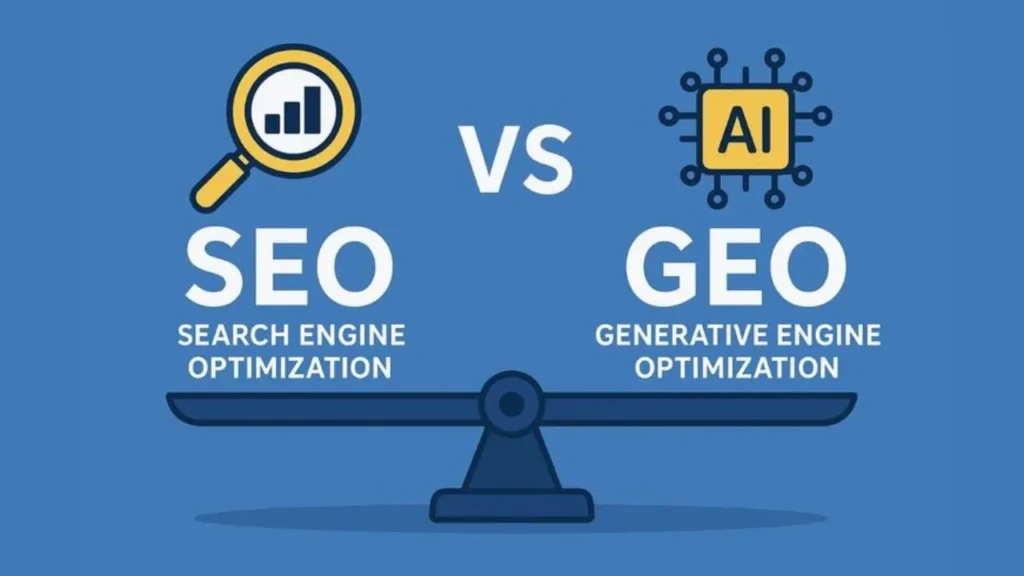
Core factors shape how search engines judge your relevance, trust, and consistency across search results.
When these signals work together, Search Engine Positioning SEO becomes more stable and easier to improve over time.
1. Content Relevance and Intent Match
Your page needs to match the user intent behind search queries, not just repeat terms. Strong relevance comes from answering the “what, why, and how” clearly with complete context. When readers find exactly what they need, positioning improves because the content behaves like a reliable solution.
2. Topical Authority and Coverage Depth
Search engines favour websites that cover a topic thoroughly, not one-off pages. Building topical authority means supporting your main page with related subtopics, internal links, and consistent terminology. This strengthens your online visibility strategy because you’re positioned as a trusted source within the wider topic.
3. Site Structure, Crawlability, and Indexing
Even great content won’t position well if search engines struggle to crawl or index it. Clean internal linking, logical URL structure, and fast-loading pages help search engines access and understand your site. Tools like Google Search Console help identify indexing gaps that silently weaken positioning.
4. On-Page Signals and Keyword Placement
This is where keyword positioning in SEO matters most. Use the main keyword naturally in headings and early paragraphs, then support it with LSI terms. The goal is clarity, not repetition. Search engines should understand what the page is about within seconds, without any keyword stuffing.
5. Engagement and Trust Signals
Search engines observe behavioural signals like click-through rate, time on page, and whether users return to search quickly. Clear formatting, helpful examples, and trustworthy writing improve engagement. When readers stay and explore, it strengthens trust signals and supports more stable positioning across organic results.
Read More About: Local SEO Services: How Small Businesses Dominate Google Maps & Local Search
Role of Content, Experience, and Authority in Positioning
Content, experience, and authority work together to tell search engines whether your page deserves stable visibility. When these signals are strong, Search Engine Positioning SEO becomes more consistent and less dependent on short-term tactics.
- Depth over surface-level content: Write complete, topic-covering content that goes beyond obvious points and answers real questions clearly.
- First-hand experience signals: Include practical insight, real examples, and process-based explanations that show you’ve actually done the work.
- Expertise in how you explain: Use accurate terminology, clear reasoning, and step-by-step clarity so readers trust what they’re learning.
- Authority through topical consistency: Build supporting pages around the main topic and connect them with internal links to strengthen topical authority.
- Trust signals in presentation: Add transparent claims, avoid exaggeration, and use clean formatting so the page feels reliable and professional.
- Engagement as proof of value: When users stay, scroll, and explore further, it reinforces user engagement signals that support stronger positioning.
How to Measure and Validate Search Engine Positioning SEO

Measuring search engine positioning SEO requires looking beyond simple ranking reports. Rankings fluctuate naturally, but positioning reflects stability and breadth. To evaluate success, it is important to track visibility across related queries, not just one keyword.
Performance metrics such as impression trends, average position consistency, and engagement depth provide clearer insight. Search engine positioning SEO is working when a site holds visibility even as competitors change. Conversion signals also matter because true positioning aligns traffic with intent.
Using tools like Google Search Console allows site owners to see how search engines interpret relevance over time. When positioning is strong, improvements feel gradual but durable, not sudden and fragile.
Why Businesses Choose Professional Search Engine Positioning SEO
Businesses choose professional support because Search Engine Positioning SEO is a long-term system, not a quick checklist.
When organic visibility affects revenue and lead flow, trial-and-error becomes expensive.
1. Strategy Over Quick Fixes
Professional Search Engine Positioning SEO is built around a structured plan, not random updates. Instead of chasing short-lived ranking jumps, experts focus on stable visibility across related search queries. This approach gradually improves positioning, and the gains tend to last because they are based on relevance, clarity, and consistency.
2. Stronger Competitive Advantage
In crowded SERPs, basic on-page SEO is rarely enough. Professionals understand how to strengthen topical authority and build a smarter SEO positioning strategy without pushing risky tactics. The goal is to earn a reliable place in organic results, not just force a page to rank for a single keyword.
3. Technical Barriers Removal
Many sites struggle with positioning because search engines can’t crawl or index pages properly. A professional team identifies hidden issues such as poor internal linking, weak structure, or indexing gaps, and fixes them. Once technical friction is removed, the site becomes easier to understand, which supports stronger search visibility.
4. Clearer Measurement
Professionals track more than keyword rankings. They measure positioning through visibility trends, ranking stability, intent-based traffic, and conversion signals. This makes decision-making easier because you can see what is improving and why, rather than relying on guesswork or vanity metrics.
5. Lower Risk, Higher Accountability
Search Engine Positioning SEO done poorly can lead to unstable traffic or over-optimization problems. Professionals reduce risk by keeping the process transparent and aligned with search guidelines. You also get clearer accountability because actions, reporting, and outcomes are tied together in a way you can actually verify.
Work With a Trusted Search Engine Positioning SEO Partner
Trust is the foundation of effective SEO for search engine positioning. Without transparency and accountability, even technically strong strategies fail. A trusted SEO partner explains why decisions are made, how progress is measured, and what realistic outcomes are.
Search engine positioning SEO works best when clients understand the process and expectations. Clear communication, data-driven analysis, and ethical practices build confidence. This is especially important in competitive markets where shortcuts often backfire.
Organizations such as IT Digitate focus on structured processes that align with search engine guidelines and real user needs. Trust grows when results are explained, not just reported.
Conclusion
Search engine positioning SEO is not about gaming algorithms or chasing temporary rankings. It is about earning and maintaining visibility through relevance, authority, and trust. Websites that focus on positioning rather than quick wins build resilience against updates and competition.
By understanding how positioning works, why it matters, and how to measure it, businesses can make informed decisions about their organic strategy. Search engine positioning SEO rewards patience, clarity, and consistency. When done correctly, it creates lasting visibility that supports long-term growth rather than short-lived traffic spikes.
FAQ’s
What are the 4 concepts of positioning?
The four concepts of positioning are target audience, value proposition, competitive differentiation, and consistency. Together, they define who the brand is for, why it matters, and how it stays recognizable in the market.
What is SEO and its examples?
SEO is the practice of improving a website’s visibility in organic search results by aligning content, structure, and relevance with search engine requirements. Examples include optimizing page titles, improving site speed, and creating content that matches user search intent.
What are the 5 steps of positioning?
The five steps of positioning include understanding the audience, analyzing competitors, defining a unique value, choosing the right message, and maintaining consistency. These steps help ensure the brand is clearly understood and remembered.
What are the 4 P’s of positioning?
The four P’s of positioning are product, price, place, and promotion. They describe how a product is designed, priced, distributed, and communicated to the target market.
What are the three C’s of positioning?
The three C’s of positioning are customer, competition, and company. Effective positioning balances customer needs, competitive landscape, and the company’s strengths to create a clear market position.