

Black hat SEO is one of the most debated topics in digital marketing. Some people see it as a shortcut to faster rankings, while others view it as a dangerous strategy that can destroy years of hard work. If you search online, you will find countless articles explaining techniques and penalties.
However, very few guides explain the hidden realities behind these practices, why people continue to use them, and what marketers need to know before making decisions that could impact their websites.
The truth is that search engines have become much smarter over the years. Methods that once produced quick ranking gains can now trigger serious consequences. Yet despite the risks, many website owners and marketers are still tempted by promises of fast traffic, quick rankings, and easy success.
This guide explores the facts, myths, risks, and realities surrounding black hat SEO. You will learn what it means, why it remains controversial, and why understanding it is important even if you never plan to use it. More importantly, you will discover the long term impact these tactics can have on website visibility, brand trust, and business growth.
What Is Black Hat SEO and Why Is It So Controversial?

The black hat SEO meaning refers to search optimization practices that violate search engine guidelines in an attempt to manipulate rankings. These methods focus on exploiting weaknesses in ranking systems rather than creating valuable experiences for users.
In simple terms, these tactics aim to trick search engines into ranking a website higher than it deserves based on the quality of its content and user experience.
Search engines such as Google publish guidelines that explain acceptable optimization practices. When a website intentionally ignores those guidelines to gain an unfair advantage, it enters the territory commonly associated with black hat SEO.
What Do You Mean by Black Hat SEO?
Many beginners ask, “What do you mean by black hat SEO?”
The answer is straightforward.
It refers to techniques designed to manipulate search rankings through methods that prioritize algorithms over users. Instead of creating helpful content, improving site performance, or building genuine authority, these strategies attempt to exploit loopholes.
Examples include:
- Keyword stuffing
- Hidden text
- Cloaking
- Link schemes
- Automated content generation
- Private blog networks
- Doorway pages
While some tactics may produce temporary gains, they often carry significant risks.
Why Marketers Talk About It So Much
The reason this topic continues to attract attention is simple. People are fascinated by shortcuts.
Many marketers spend months creating content, building authority, and improving websites before seeing meaningful ranking improvements. When someone claims they can achieve results much faster, curiosity naturally follows.
This curiosity creates endless discussions in marketing communities, forums, and social media groups. However, the conversation often focuses on quick wins rather than long term consequences.
If you are completely new to SEO, here is the simplest explanation:
Black hat SEO refers to methods that attempt to manipulate search engine rankings by violating established guidelines rather than earning visibility through quality content, user experience, and authority.
Understanding these methods is important because recognizing them can help you avoid strategies that may harm your website in the future.
The Shocking Truth About Black Hat SEO Most Guides Never Mention
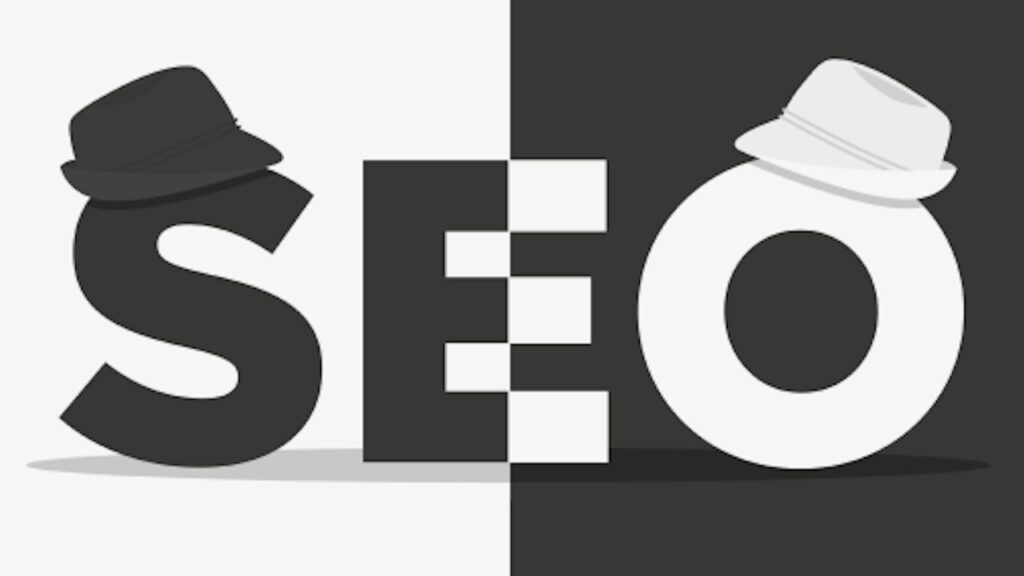
Most articles stop after defining techniques and listing penalties. That is useful information, but it misses a much bigger story. The real truth is not about tactics. The real truth is about human behavior.
Why People Still Use It Despite the Risks
If the risks are so obvious, why do people continue using these methods?
The answer often comes down to pressure.
- Website owners want traffic.
- Businesses want leads.
- Affiliate marketers want commissions.
- New bloggers want visibility.
- Many people become frustrated when they do not see immediate results.
When someone promises rankings in weeks instead of months, the offer becomes difficult to ignore. This desire for speed creates demand for risky shortcuts.
The Hidden Cost Most People Ignore
- The biggest cost is not a penalty.
- The biggest cost is lost trust.
- Traffic can recover.
- Rankings can recover.
- Trust is much harder to rebuild.
When a website becomes associated with manipulation, spam, or low quality practices, users may lose confidence in the brand.
That loss can affect conversions, customer relationships, and long term growth. Many marketers focus on ranking gains while ignoring reputation damage.
Short Term Wins vs Long Term Losses
One reason these methods remain attractive is that some tactics can still produce temporary improvements.
A website may experience:
- Increased rankings
- Higher visibility
- More traffic
At first glance, the strategy appears successful. The problem is sustainability.
When ranking systems evolve or manual reviews occur, those gains can disappear. Meanwhile, websites that focus on expertise, trust, and user value often continue growing steadily over time. This creates a significant difference between temporary success and lasting success.
Why Some Marketers Secretly Rely on These Methods
Another reality rarely discussed is that not everyone uses these tactics in the same way. Some marketers openly promote ethical optimization while quietly experimenting with riskier methods on separate projects.
Why?
- Because curiosity exists throughout the industry.
- Many professionals want to understand how search engines work.
- Some test boundaries to learn what triggers ranking changes.
- Others use experimental websites where the risk of penalties has little business impact.
This explains why conversations about these practices never completely disappear.
The Psychology Behind Fast Ranking Promises
Human psychology plays a major role.
- People naturally prefer immediate rewards over delayed rewards.
- A strategy promising quick rankings appeals to emotions.
- A strategy requiring months of work appeals to patience.
- The challenge is that search visibility often rewards patience.
- Successful websites are usually built through consistent publishing, topical authority, audience trust, and ongoing improvements.
These activities are less exciting than shortcuts, but they tend to produce stronger results over time.
The Biggest Myth in SEO
One of the biggest myths is that ranking success comes from discovering secret tricks. In reality, sustainable growth rarely depends on secrets. It depends on execution.
Many high performing websites succeed because they:
- Understand their audience
- Publish useful content
- Build authority
- Improve user experience
- Earn trust
These fundamentals are often less dramatic than shortcuts, but they are far more reliable.
The Reality Every Marketer Should Understand
The most important lesson is this:
- Search visibility is not just about rankings.
- It is about building a sustainable asset.
- A website can generate traffic, leads, sales, and brand recognition for years when built on strong foundations.
- Shortcuts may promise faster growth, but they often increase uncertainty.
- Marketers who understand this distinction are better equipped to make decisions that support long term success rather than temporary gains.
Read More About: Local SEO Services
What’s the Best SEO Agency Near Me
15 Black Hat SEO Techniques That Can Put Your Website at Risk

Understanding these tactics is important because many website owners unknowingly use methods that can create long term problems. Some techniques were once common and accepted. Others have evolved as search engines improved their ability to detect manipulation.
The goal of this section is education, not encouragement. Knowing how these methods work can help you identify risks and avoid costly mistakes.
1. Keyword Stuffing
Keyword stuffing occurs when a page repeatedly uses the same keyword in an unnatural way.
Example:
“Best SEO company for SEO services because our SEO company provides SEO solutions.”
Years ago, excessive repetition could influence rankings. Today, it often creates a poor user experience and can signal manipulation.
A page should be written for people first, not algorithms.
2. Cloaking
Many beginners ask:
What Does Cloaking Mean in Black Hat SEO?
Cloaking is the practice of showing one version of a page to search engines and a different version to human visitors.
For example:
- Search engines see a page about SEO.
- Users see a page selling unrelated products.
Because search engines expect transparency, cloaking is considered one of the most serious violations.
3. Hidden Text
Hidden text involves placing keywords on a page in a way that users cannot easily see.
Examples include:
- White text on a white background
- Extremely small font sizes
- Text hidden behind images
The purpose is usually to insert extra keywords without affecting visible content.
4. Private Blog Networks (PBNs)
A Private Blog Network is a collection of websites created primarily to pass authority to another site. These networks often use expired domains with existing backlink profiles.
While some marketers still experiment with PBNs, search engines have become increasingly effective at identifying patterns that connect these networks.
5. Link Farms
A link farm is a group of websites created mainly to exchange links. The sites often provide little value and exist only to manipulate authority signals.
These networks can create large numbers of backlinks quickly, but they also create footprints that are easier to detect.
6. Doorway Pages
Doorway pages are low value pages created to rank for specific search terms and funnel users to another destination.
For example:
A website creates hundreds of nearly identical city pages with minimal unique information. Users receive little value, while the site attempts to capture additional search traffic.
7. Sneaky Redirects
Redirects can be useful when implemented correctly. However, sneaky redirects send users somewhere different than expected.
For example:
A search engine indexes one page while visitors are redirected to another page with unrelated content. This creates a misleading experience.
8. Duplicate Content Abuse
Not all duplicate content is harmful.
The problem occurs when large amounts of copied content are published solely to gain rankings.
Examples include:
- Copying competitor articles
- Scraping content from other websites
- Publishing large numbers of near identical pages
Originality remains one of the strongest signals of quality.
9. Automated Content Generation for Scale
Content automation has changed dramatically in recent years. The issue is not automation itself.
The issue arises when large numbers of low quality pages are produced without oversight, expertise, or user value.
Mass publishing without quality control often creates weak content ecosystems that fail to satisfy visitors.
10. Comment Spam
Comment spam involves posting links across blogs, forums, and websites solely to gain backlinks.
Examples include:
“Great article. Visit my website here.”
Most platforms now limit the value of these links, making the tactic largely ineffective.
11. Negative SEO
Negative SEO refers to attempts to harm another website’s rankings.
Examples may include:
- Creating spam backlinks
- Copying content
- Manipulating reputation signals
Although search engines have become better at handling these attacks, website owners should still monitor their backlink profiles regularly.
12. Expired Domain Abuse
Some marketers purchase expired domains with existing authority and repurpose them for unrelated topics.
For example:
A former educational website suddenly becomes a gambling website.
Search engines increasingly evaluate topical relevance, making this tactic less reliable than it once was.
13. Parasite SEO
Parasite SEO involves publishing content on high authority platforms to benefit from their existing trust and authority.
While legitimate guest publishing is common, abuse occurs when the primary goal is ranking manipulation rather than providing value.
This tactic has gained attention because some marketers attempt to leverage trusted domains instead of building authority on their own websites.
14. Scaled Content Abuse
Scaled content abuse occurs when huge numbers of pages are generated primarily to manipulate rankings.
These pages often target thousands of keywords while providing limited value. The strategy focuses on volume instead of usefulness. Search engines increasingly prioritize helpful content over sheer quantity.
15. Link Schemes
Link schemes involve artificial attempts to influence rankings through backlinks.
Examples include:
- Buying links
- Selling links
- Excessive link exchanges
- Automated link networks
Search engines continue investing significant resources into detecting unnatural link patterns.
Black Hat SEO Examples Marketers Should Avoid

To better understand these risks, consider a few realistic examples.
Example 1
A website publishes hundreds of location pages with nearly identical content.
Result:
The pages gain temporary visibility but eventually lose rankings due to low quality signals.
Example 2
A site purchases thousands of backlinks within a few weeks.
Result:
Traffic initially increases before visibility declines after algorithm updates.
Example 3
An affiliate site uses automated systems to publish thousands of product pages without unique insights.
Result:
Large portions of the site struggle to maintain visibility because users receive little value.
The common theme is simple.
Shortcuts often prioritize rankings while ignoring user experience. Eventually, that imbalance creates problems.
Does Black Hat SEO Still Work in 2026?
This is one of the most common questions in the SEO industry.
Many people ask:
Why Do People Use Black Hat SEO?
The answer is usually speed.
Some website owners want immediate traffic. Others want faster rankings. A few are willing to accept significant risk if there is a chance of short term success.
But does the strategy still work today?
The answer is more complicated than many people expect.
The Myth: Black Hat SEO No Longer Works
Many people claim these tactics never work. That statement is not entirely accurate. Some methods can still produce temporary ranking gains under certain circumstances.
However, temporary success does not automatically mean long term success. A strategy can work today and fail tomorrow. That distinction matters.
The Reality: Risk Has Increased Dramatically
Search engines are far more advanced than they were a decade ago.
Modern ranking systems evaluate:
- Content quality
- User satisfaction
- Expertise
- Authority
- Trust
- Link quality
- Behavioral signals
As a result, manipulation has become significantly more difficult.
The window between short term gains and long term consequences has become much smaller.
Understanding SpamBrain
One of the most important developments in search quality has been SpamBrain.
SpamBrain is Google’s spam fighting system designed to identify manipulative behavior. Its purpose is to detect patterns associated with spam and ranking manipulation.
Rather than focusing on individual tactics alone, modern systems evaluate broader signals and relationships. This makes many traditional shortcuts far less effective.
What Most Success Stories Leave Out
Many stories focus on websites that achieved rapid growth. Few discuss what happened six months later. Even fewer discuss what happened one year later.
When evaluating any SEO strategy, marketers should ask:
- Is it sustainable?
- Is it scalable?
- Does it create long term value?
These questions often reveal a very different picture.
The Most Important Reality Check
The shocking truth most marketers eventually learn is this:
- Ranking is not the goal.
- Business growth is the goal.
- Traffic that disappears after an update has limited value.
- Visibility that supports long term brand growth is far more valuable.
The websites that continue winning year after year are usually the ones that focus on users, expertise, trust, and quality rather than manipulation.
Black Hat SEO vs White Hat SEO: Which Strategy Wins Long Term?

One of the most important decisions a website owner can make is choosing the type of SEO strategy they want to follow.
Many people enter the industry after hearing success stories about rapid rankings and explosive traffic growth. What they often do not realize is that there are very different paths to achieving visibility in search results.
Understanding the difference between black hat SEO and white hat SEO can help marketers make smarter decisions that support long term business growth.
Key Differences Between the Two Approaches
| Factor | Black Hat SEO | White Hat SEO |
|---|---|---|
| Primary Goal | Quick rankings | Sustainable growth |
| Risk Level | High | Low |
| Compliance | Violates guidelines | Follows guidelines |
| Long Term Stability | Unpredictable | More stable |
| User Experience | Often secondary | Primary focus |
| Brand Trust | Can be damaged | Usually strengthened |
| Recovery Risk | High | Low |
| Future Growth Potential | Uncertain | Strong |
This comparison highlights why many businesses prefer sustainable strategies despite slower initial progress.
Which Strategy Produces Better Results?
The answer depends on how success is measured. If success means short term ranking spikes, aggressive tactics may sometimes create temporary gains.
If success means:
- Long term traffic
- Brand growth
- Lead generation
- Customer trust
- Sustainable visibility
Then ethical optimization consistently offers the stronger foundation. The most successful businesses rarely build their future on strategies that depend on exploiting weaknesses in ranking systems.
Black Hat SEO Tools, Experts, and Common Misconceptions
The internet is filled with discussions about black hat SEO tools, automation software, and so called secret ranking systems. Many marketers are attracted to these tools because they promise faster results with less effort.
However, understanding what these tools actually do is essential before making assumptions about their effectiveness.
What Are Black Hat SEO Tools?
Black hat SEO tools are software applications designed to automate or assist with tactics that attempt to manipulate rankings.
These tools can perform tasks such as:
- Creating backlinks
- Scraping content
- Automating comments
- Generating pages at scale
- Identifying expired domains
- Managing networked websites
Some are highly sophisticated. Others are outdated and ineffective. The important point is that tools themselves are not magic solutions. A tool simply executes a process. The quality and sustainability of that process still matter.
Categories of Black Hat SEO Tools
Understanding the major categories helps explain how they are commonly used.
1. Link Building Automation Tools
These programs attempt to create large numbers of backlinks automatically.
The idea is simple. More links equal higher rankings. The reality is much more complicated. Modern search engines evaluate link quality, relevance, and authenticity rather than raw quantity alone.
2. Content Automation Tools
These systems generate large volumes of content quickly. The challenge is maintaining quality. Pages created purely for scale often struggle to provide original insights, expertise, or unique value.
3. Scraping Tools
Scraping software collects information from other websites. While scraping itself has legitimate uses, abuse occurs when content is copied and republished without adding meaningful value.
4. Expired Domain Research Tools
These tools help users locate domains with existing authority. Some marketers use them to build networks or attempt to inherit existing ranking signals.
Search engines increasingly evaluate topical relevance, making this strategy less predictable than many people assume.
Why Tools Do Not Guarantee Rankings
One of the biggest myths in SEO is that software can replace strategy.
In reality, rankings depend on many factors.
These include:
- User satisfaction
- Content quality
- Authority
- Relevance
- Expertise
- Technical performance
No tool can guarantee success because no tool controls all of these variables. Many software vendors market their products as shortcuts. In practice, sustainable growth usually requires much more than automation.
The Myth of the Secret Tool
Every year new tools appear claiming to have discovered hidden ranking secrets. The marketing is often persuasive.
Promises include:
- Instant traffic
- Guaranteed rankings
- Automatic authority
- Effortless growth
Yet the websites that consistently dominate competitive search results rarely depend on secret software. Instead, they invest in content quality, research, audience understanding, and long term authority building.
Can a Black Hat SEO Expert Rank Websites Quickly?
This question appears frequently in marketing communities.
The honest answer is yes, some professionals can create ranking improvements quickly. However, speed alone should not be the deciding factor. A more important question is:
- Can those rankings survive future algorithm changes?
- Can they support long term business growth?
- Can they strengthen brand trust?
The best marketers focus on sustainability rather than temporary wins.
Common Mistakes Website Owners Make
Many website owners fall into similar traps when exploring aggressive SEO strategies.
Mistake 1: Chasing Shortcuts
They look for the fastest path instead of the most reliable path.
Mistake 2: Ignoring Risk
They focus on potential gains while underestimating potential losses.
Mistake 3: Prioritizing Rankings Over Users
They optimize for algorithms rather than people.
Mistake 4: Following Outdated Advice
Many tactics discussed online were developed years ago under very different search conditions.
Mistake 5: Believing There Is a Magic Formula
Successful SEO rarely depends on one trick.
It usually results from consistent execution across multiple areas.
What Smart Marketers Should Do Instead of Using Black Hat SEO
Understanding risky SEO tactics is valuable, but understanding what to do instead is even more important.
Most successful websites do not achieve long term growth through shortcuts. They build visibility through trust, expertise, authority, and consistency.
If your goal is sustainable traffic, stronger brand recognition, and long lasting rankings, the following strategies provide a much safer and more effective path.
1. Focus on Creating Helpful Content
The foundation of sustainable SEO is useful content.
Every page on your website should answer a real question, solve a problem, or help visitors make informed decisions.
Before publishing any article, ask yourself:
- Does this content help users?
- Is the information accurate?
- Does it provide unique value?
- Would someone bookmark or share it?
Helpful content continues generating value long after publication. Low quality content rarely does.
2. Build Topical Authority
Topical authority refers to becoming a trusted source on a specific subject.
Instead of publishing random articles across dozens of unrelated topics, successful websites often focus on a core area of expertise.
For example, an SEO website might cover:
- Keyword research
- Technical SEO
- On page SEO
- Link building
- Local SEO
- Search analytics
- Content optimization
As more high quality content is published around a topic, search engines gain greater confidence in the website’s expertise.
This creates stronger long term visibility.
3. Understand Entity SEO
Entity SEO is becoming increasingly important.
An entity is a person, place, organization, concept, or thing that search engines can understand.
For example:
- Search engines
- Backlinks
- Digital marketing
- Ranking systems
Rather than focusing only on keywords, modern optimization considers how topics connect to related concepts.
A comprehensive article about SEO should naturally discuss related entities, terminology, and concepts that help search engines understand the subject more completely.
This approach creates stronger topical relevance.
4. Earn Trust Through Experience and Expertise
Visitors trust websites that demonstrate genuine expertise.
Ways to strengthen credibility include:
- Publishing original research
- Sharing case studies
- Including expert opinions
- Referencing reliable sources
- Updating outdated information
Trust is one of the most valuable assets a website can build.
It often takes years to establish and only moments to lose.
5. Build Natural Authority
Authority grows when other people recognize the value of your work.
This may happen through:
- Mentions from industry websites
- Citations in articles
- Recommendations from experts
- Social sharing
- Positive user experiences
The strongest authority signals are earned rather than manufactured.
6. Improve User Experience
Search visibility is closely connected to user satisfaction.
Visitors expect:
- Fast loading pages
- Mobile friendly design
- Easy navigation
- Clear content structure
- Helpful information
A positive experience encourages visitors to stay longer, explore additional pages, and return in the future.
How to Recover if You Previously Used Risky SEO Tactics

Some website owners discover that previous agencies, consultants, or team members used questionable tactics. Recovery is possible. However, it requires patience and transparency.
Step 1: Conduct a Full Website Audit
Review:
- Content quality
- Backlink profile
- Technical SEO issues
- User experience
Identify areas that may create risk.
Step 2: Remove Low Quality Content
Delete, improve, or consolidate pages that provide little value. Focus on quality rather than quantity.
Step 3: Address Unnatural Links
Review backlinks and remove or disavow harmful links when necessary. Prioritize relevance and quality.
Step 4: Improve Content Standards
Create content that demonstrates expertise, accuracy, and usefulness. Replace thin pages with comprehensive resources.
Step 5: Rebuild Trust Over Time
Recovery rarely happens overnight. Consistency and quality improvements gradually strengthen credibility.
Future Proof SEO Strategies
The search landscape continues evolving. However, some principles remain remarkably stable.
Future proof SEO focuses on:
- User satisfaction
- Expertise
- Trustworthiness
- Authority
- Helpful content
- Strong technical foundations
These principles remain valuable regardless of algorithm updates.
What Smart Marketers Understand
Experienced marketers eventually realize that sustainable growth comes from building assets rather than exploiting loopholes.
A strong website becomes:
- A source of traffic
- A lead generation channel
- A trusted brand resource
- A long term business asset
That kind of value is difficult to achieve through shortcuts.
FAQ’s
What Is White Hat and Black Hat SEO?
White hat SEO follows search engine guidelines and focuses on helping users through valuable content and ethical optimization practices.
Black hat SEO attempts to manipulate rankings through methods that violate search engine guidelines. The primary difference is that one focuses on sustainable growth while the other prioritizes shortcuts.
What Do You Mean by Black Hat SEO?
It refers to optimization practices that attempt to improve search rankings by violating search engine guidelines rather than earning visibility through quality content and user value.
What Does Cloaking Mean in Black Hat SEO?
Cloaking occurs when search engines are shown different content than human visitors. Because this creates a misleading experience, it is considered a serious violation of search guidelines.
Why Do People Use Black Hat SEO?
Most people are attracted by the possibility of faster rankings, quicker traffic growth, and reduced effort. However, the potential risks often outweigh the short term benefits.
Can a Black Hat SEO Expert Rank Websites Quickly?
Some professionals can generate rapid ranking changes through aggressive tactics. However, fast rankings do not always translate into sustainable results. Long term success depends on stability, trust, and ongoing visibility.
Is Black Hat SEO Illegal?
In most cases, it is not illegal. However, it often violates search engine guidelines, which can result in penalties, reduced visibility, or removal from search results.
Is Black Hat SEO Still Effective Today?
Some tactics may produce temporary gains, but modern search systems are significantly better at identifying manipulation. As a result, long term success becomes increasingly difficult to maintain.
Conclusion
The shocking truth about black hat SEO is not that it never works. The real truth is that short term success and long term success are not the same thing.
Many websites achieve temporary ranking improvements through aggressive tactics. However, sustainable growth comes from building trust, authority, expertise, and value.
The most successful websites on the internet rarely depend on shortcuts. They invest in their audience, publish helpful content, strengthen their expertise, and continuously improve the user experience.
If your goal is to build a website that generates traffic, leads, and business growth for years rather than weeks, focusing on ethical and sustainable SEO practices is the smarter choice.
Search engines continue evolving, but one principle remains consistent: websites that genuinely help users are more likely to earn long term visibility than websites that attempt to manipulate rankings.
If you want professional guidance, strategic SEO planning, content optimization, technical audits, and sustainable growth strategies, Itdigitate provides SEO services designed to help businesses increase organic visibility, improve rankings, and build long term authority. Instead of chasing risky shortcuts, partner with experts who focus on proven SEO strategies that support lasting success and measurable business results.